May 8–10, 2026 | University of Pittsburgh | Pittsburgh, PA
Real-world challenges require globally prepared citizens with deep proficiency in the languages and cultures of the world. For nearly seven decades, universities have met this need, supporting the teaching of both commonly and less commonly taught languages, as well as interdisciplinary area and international studies, with long term additional support from federal grants. The result is a robust US higher education infrastructure for educating students and community members about the world. Yet, amidst changing priorities at both the federal and institutional levels often driven by both student demand and work force needs, university centers are at a crossroads. What is the future for international and area studies today?
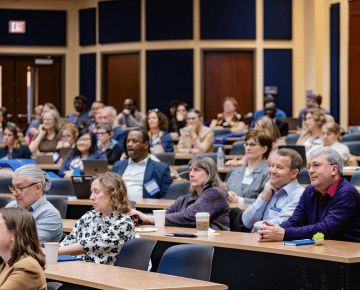
The University of Pittsburgh’s University Center for International Studies (UCIS) invited leading scholars and practitioners for a series of timely conversations aimed at reimagining area and global studies for the next generations. Through generative plenaries, solutions-oriented breakout sessions, and community-enhancing activities, this conference brought together multiple perspectives from the United States and beyond to address the following key charges:
- Reimagining the framing and value proposition of global and area studies
- Strengthening existing networks to address emerging needs
- Designing new models of partnership for long-term sustainability